By Nichelle M. Cook, Joydrop Baby & Wellness
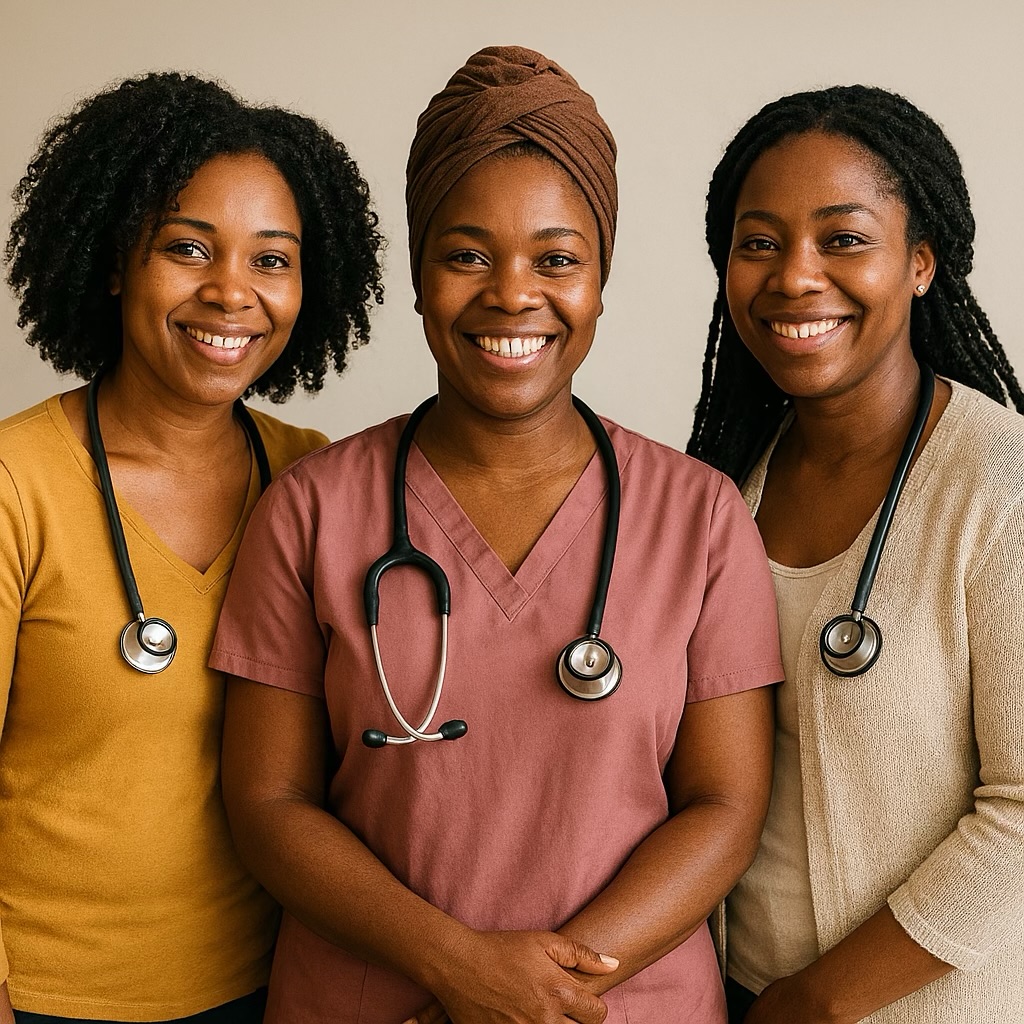
As we celebrate Black History Month, it is important to tell the full story of midwifery in America because the foundation of maternal care in this country was built on the knowledge, labor, and resilience of African and African American women.
Long before hospitals, insurance companies, and medical boards existed, Black women were the healers, birth attendants, and guardians of life in their communities. Midwifery is not a trend it is a legacy.
Midwifery Began in Africa Not in Hospitals
Midwifery has existed for thousands of years across African civilizations. Birth attendants were deeply respected community figures who combined:
- Herbal medicine
- Nutrition knowledge
- Emotional and spiritual support
- Hands-on labor care
When Africans were enslaved and brought to the Americas, they carried this knowledge with them. Enslaved Black women served as the primary birth attendants not only for other enslaved women but also for white women on plantations.
These women were called “granny midwives.” They delivered babies, cared for mothers, treated illness, and often traveled long distances on foot without pay, without protection, and without recognition.
They were the backbone of early American maternal care.
The Truth: Midwifery Was Pushed Out on Purpose
In the early 1900s, as medicine became more commercialized, hospitals and physicians sought control over childbirth. Midwives especially Black midwives were labeled as:
- “Untrained”
- “Dirty”
- “Unsafe”
This was not based on evidence it was based on racism, sexism, and profit.
States passed laws and licensing rules designed to push granny midwives out. By the 1950s, Black midwives were nearly erased from formal healthcare systems, despite the fact that maternal outcomes were often better in their care.
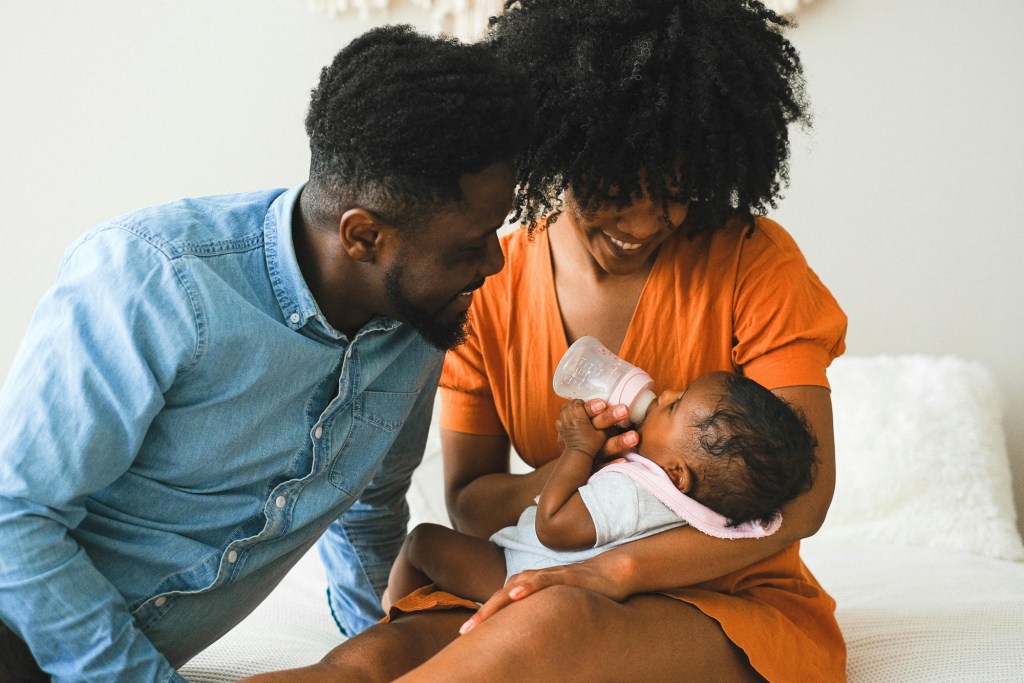
This forced shift removed culturally competent, community-based care and replaced it with systems that often ignored Black women’s voices and pain.
Doulas: The Modern Extension of an Ancient Practice
Doulas are not new. They are the modern continuation of what Black women have always done:
- Advocate
- Educate
- Comfort
- Protect
- Stand between mothers and systems that fail them
Doulas provide emotional, physical, and informational support during pregnancy, birth, and postpartum. Studies show that doula support is associated with:
- Lower C-section rates
- Fewer complications
- Better birth experiences
- Improved maternal mental health
For Black women who are 3–4 times more likely to die from pregnancy-related causes doulas are not a luxury. They are a lifeline.
Reclaiming the Legacy
The rise of Black midwives, doulas, and maternal advocates today is not a trend it is a restoration.
It is the reclaiming of a practice that was stolen, silenced, and marginalized.
At Joydrop Baby & Wellness, we believe:
Her strength is unmatched because it’s built on generations of resilience.
This is our history. This is our power. And this is how we protect Black mothers by honoring the past and transforming the future.
Call to Action
This Black History Month:
- Support Black doulas and midwives
- Advocate for maternal health equity
- Learn the history that was never taught
Because birth justice is Black history.
