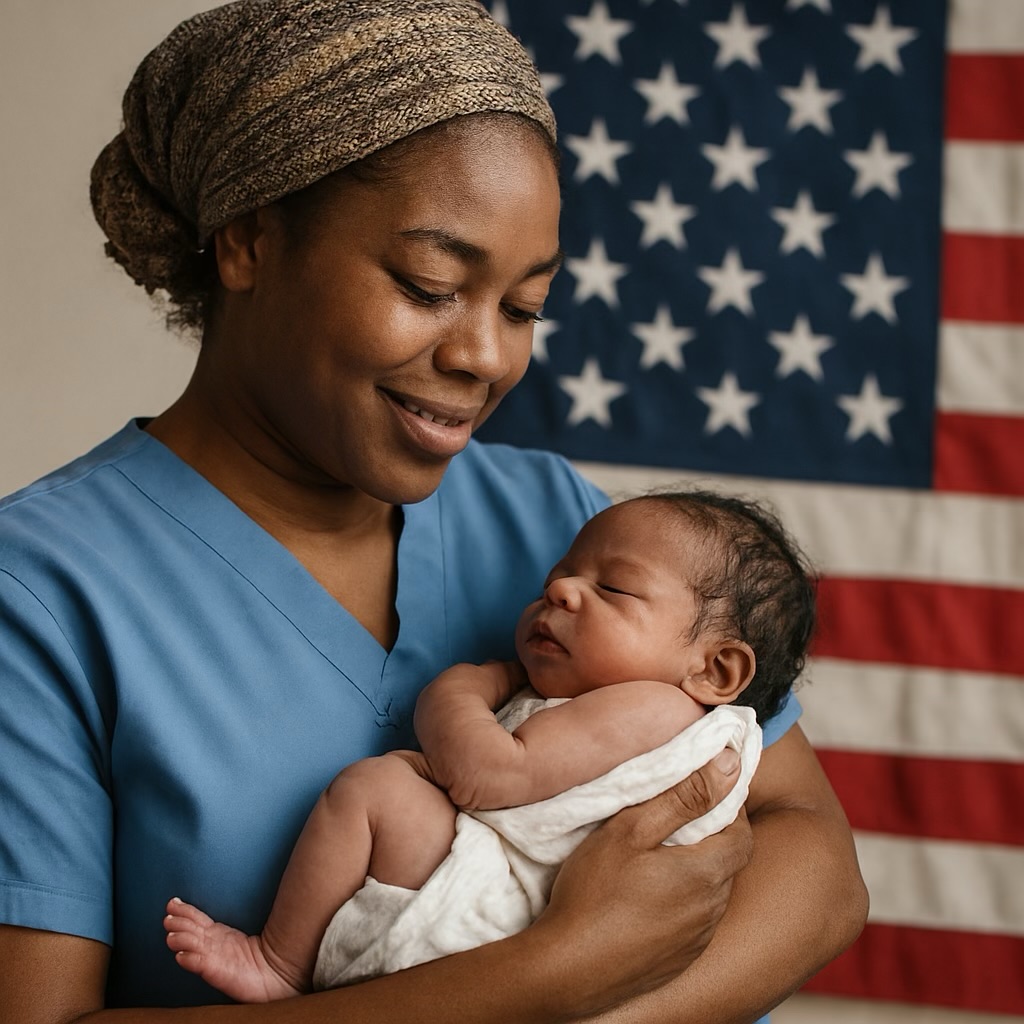
Imagine a quiet home in the early morning hours. A mother is in labor, surrounded by women who understand exactly what she is going through. The room is calm but focused. One experienced midwife moves with confidence, offering reassurance, checking on the mother, and guiding the birth with practiced hands.
For generations across America, this was how life began.
Long before childbirth became centered in hospitals, trusted midwives cared for mothers throughout pregnancy, labor, and recovery. These women carried generations of knowledge, learned through mentorship and lived experience, and they played a vital role in welcoming new life into the world.
Among these extraordinary women were Mary Francis Hill Coley and Onnie Lee Logan two midwives whose dedication helped bring thousands of babies safely into the world and whose legacy continues to inspire conversations about maternal care today.
Their work reminds us of something powerful:
Before modern systems existed, women helped deliver a nation one baby at a time.
The Midwives Who Helped Birth America: Honoring Two Women Who Delivered Generations
As we celebrate Women’s History Month, we often reflect on women who led movements, shaped policy, or broke barriers in education and science. But there is another group of women whose impact is just as powerful women whose hands quite literally helped build families and communities across America.
These were the midwives.
Mary Francis Hill Coley: A Lifetime of Delivering Hope
Mary Francis Hill Coley served families in rural Georgia for more than three decades during the early and mid-20th century. Working in a time when hospitals were not easily accessible especially for Black families in the segregated South she became a trusted figure in her community.
Coley delivered hundreds of babies throughout her career. Her work required deep knowledge of pregnancy, labor, and postpartum care, but it also demanded courage and resilience. Many births took place in homes without modern equipment, yet midwives like Coley relied on careful observation, practical experience, and calm leadership to guide mothers through labor safely.
Her role extended far beyond childbirth.
She educated mothers about caring for their babies, supported families emotionally, and remained present during the delicate postpartum period. In many communities, midwives were among the most trusted health figures a family would ever know.

Coley’s work became nationally recognized when she was featured in the historic documentary All My Babies: A Midwife’s Own Story, which highlighted the skill and dedication of Southern midwives. The film preserved an important record of a profession that had quietly supported generations of families.
Onnie Lee Logan: The Legacy of the “Granny Midwife”
Another remarkable birth worker was Onnie Lee Logan of Alabama, one of the last widely known “granny midwives.”
Logan began assisting with births in the 1940s and eventually delivered more than 3,000 babies during her career. For decades, families called on her during one of the most important moments of their lives.
She believed deeply in respecting the natural process of childbirth while carefully watching for signs that a mother might need additional care. Her approach reflected generations of knowledge passed from midwife to midwife.
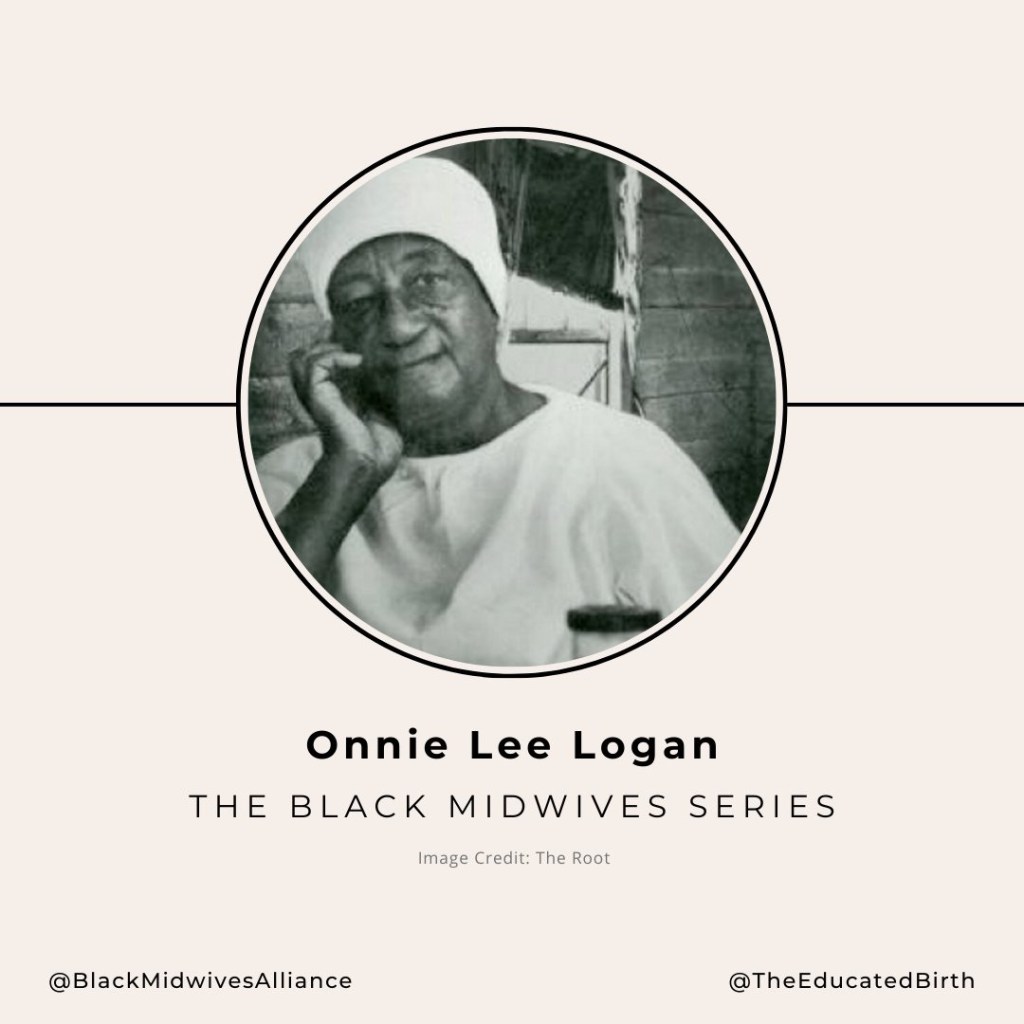
Later in life, Logan shared her experiences in the memoir Motherwit: An Alabama Midwife’s Story, where she described the traditions, challenges, and community relationships that defined her work.
Her story reminds us that midwifery was not just a job it was a calling rooted in service, trust, and responsibility.
When Maternal Care Was Personal and Community-Centered
The midwives of earlier generations practiced a form of maternal care that was deeply personal. They knew the mothers they served, often cared for multiple generations of the same family, and remained involved long after the baby arrived.
They supported women through pregnancy, stayed during labor, and helped mothers recover after birth. They taught families how to care for newborns and often provided guidance on nutrition, rest, and healing.
Their work created a powerful system of community-centered maternal care one that valued trust, attentiveness, and experience.
Women like Mary Coley and Onnie Lee Logan helped bring thousands of children into the world safely, often under challenging circumstances and with limited resources.
One baby at a time, they helped build communities and in many ways, they helped build America.
Carrying the Legacy Forward
The legacy of women like Mary Francis Hill Coley and Onnie Lee Logan reminds us that maternal care has always been about more than simply delivering babies. It has always been about protecting mothers, supporting families, and strengthening communities.
These remarkable women practiced a form of care that was attentive, personal, and rooted in deep respect for the mothers they served. They listened. They watched closely. They stayed present. And because of their dedication, generations of families were welcomed into the world safely.
Today, as we continue to address maternal health challenges and advocate for better outcomes for mothers and babies, their example still speaks to us.
It reminds us that maternal health should always include education, support, trust, and advocacy for women at every stage—from preconception to pregnancy and through the postpartum journey.
At Joydrop Baby & Wellness, this belief remains at the heart of our work. Supporting women through preventive care, maternal health advocacy, and patient navigation is one way we continue the mission these midwives carried so faithfully.
Because when women are supported, informed, and cared for, families grow stronger and communities flourish.
So during Women’s History Month, we celebrate these midwives not only for the babies they delivered, but for the legacy they left behind.
A legacy that reminds us that caring for mothers is one of the most powerful ways to build a healthier future.
And just like the midwives before us, we move forward with the same commitment:
Protect the mother. Support the family. Strengthen the community.
