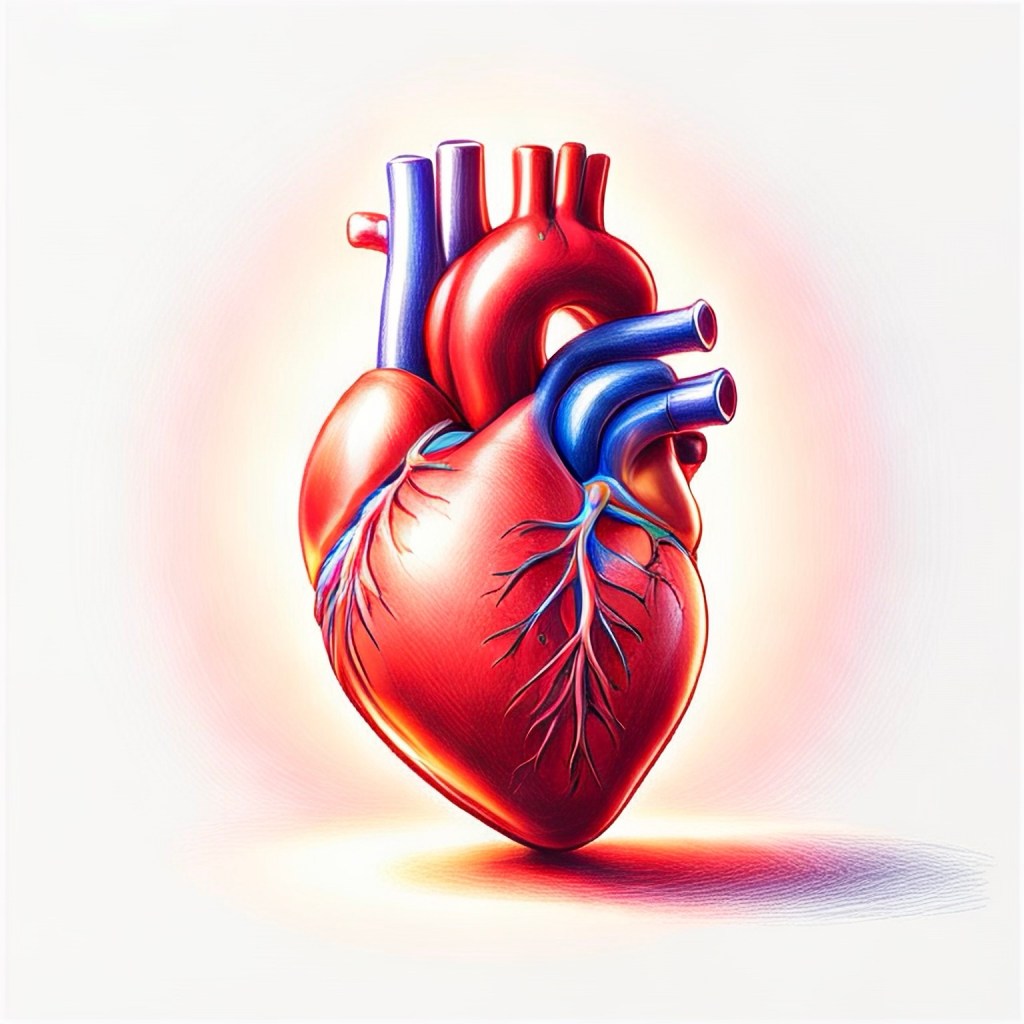
Every year, nearly 1 in 100 babies is born with a congenital heart defect (CHD), making it the most common birth defect in the United States. While CHDs can happen for many reasons, research continues to show that a mother’s health before and during pregnancy plays a powerful role in a baby’s heart development.
During Congenital Heart Defect Awareness Week, Joydrop Baby and Wellness stands with families affected by CHD and reaffirms our commitment to preventive maternal care, early monitoring, and health equity because healthy mothers help build healthy hearts.
What Is a Congenital Heart Defect (CHD)?
A congenital heart defect is a structural problem with the heart that develops while a baby is still in the womb. These defects can affect how blood flows through the heart and to the rest of the body. Some CHDs are mild and require little treatment, while others are life-threatening and require surgery soon after birth.
How Maternal Health Impacts Fetal Heart Development
A baby’s heart begins forming in the first few weeks of pregnancy, often before a woman even knows she is pregnant. That means what is happening in the mother’s body during this time matters greatly.
Certain maternal health conditions and risk factors have been linked to a higher risk of CHDs, including:
- Diabetes (pre-existing or gestational)
- High blood pressure and preeclampsia
- Obesity
- Poor nutrition or vitamin deficiencies (especially folic acid)
- Smoking, alcohol, or substance exposure
- Infections during pregnancy
- Certain medications
- Lack of prenatal care
These risks highlight why early and consistent maternal monitoring is essential not optional.
Why Early Monitoring Saves Lives
Many maternal conditions are silent at first, meaning a mom may feel “fine” while her body is under stress. Without regular screening and support, risks to both mother and baby can go unnoticed.
At Joydrop Baby and Wellness, our Maternal Health Monitoring Program is designed to catch warning signs early by tracking:
- Blood pressure and cardiovascular health
- Blood sugar levels
- Oxygen levels and heart rate
- Nutrition and anemia risk
- Weight gain and swelling
- Mental health and stress levels
By identifying these issues early, we can work alongside OBGYNs to reduce complications, support healthy fetal development, and lower the risk of poor birth outcomes, including congenital heart defects.
Health Equity and CHD
Black and Brown mothers face higher rates of chronic conditions, limited access to care, and maternal mortality. These same disparities also affect birth outcomes, including higher risks of preterm birth and congenital complications.
Joydrop Baby and Wellness exists to close these gaps through:
- Culturally responsive care
- Preventive education
- Navigation support
- Food-is-Medicine strategies
- Advocacy with providers
Every mother deserves the chance to bring a healthy baby into the world regardless of her zip code, income, or background.
What Moms Can Do to Protect Their Baby’s Heart
If you are pregnant or planning to be, you can take steps today:
- Start prenatal care early
- Manage chronic conditions
- Eat nutrient-rich foods
- Take prenatal vitamins with folic acid
- Avoid alcohol, smoking, and drugs
- Ask your provider about low-dose aspirin if you are at risk for preeclampsia
- Attend all monitoring visits
- Speak up when something feels wrong
Our Commitment
At Joydrop Baby and Wellness, we believe prevention is powerful. Through education, monitoring, and advocacy, we walk beside mothers to ensure they are supported not ignored on their journey.
This CHD Awareness Week, we honor the babies, families, and mothers whose stories remind us that maternal health is not separate from infant health—it is the foundation of it.
Because when we care for the mother,
we protect the heart of the next generation. 🌻
