Every year on May 22, we recognize World Preeclampsia Day, a day dedicated to helping families understand the warning signs of preeclampsia and the importance of early action. The Preeclampsia Foundation’s awareness work encourages women and families to recognize symptoms early and contact their healthcare providers when something feels wrong.
At Joydrop Wellness, this message matters deeply to us because too many women are leaving appointments, delivery rooms, and hospitals without fully understanding what to watch for. And when it comes to preeclampsia, what you know can protect your life.
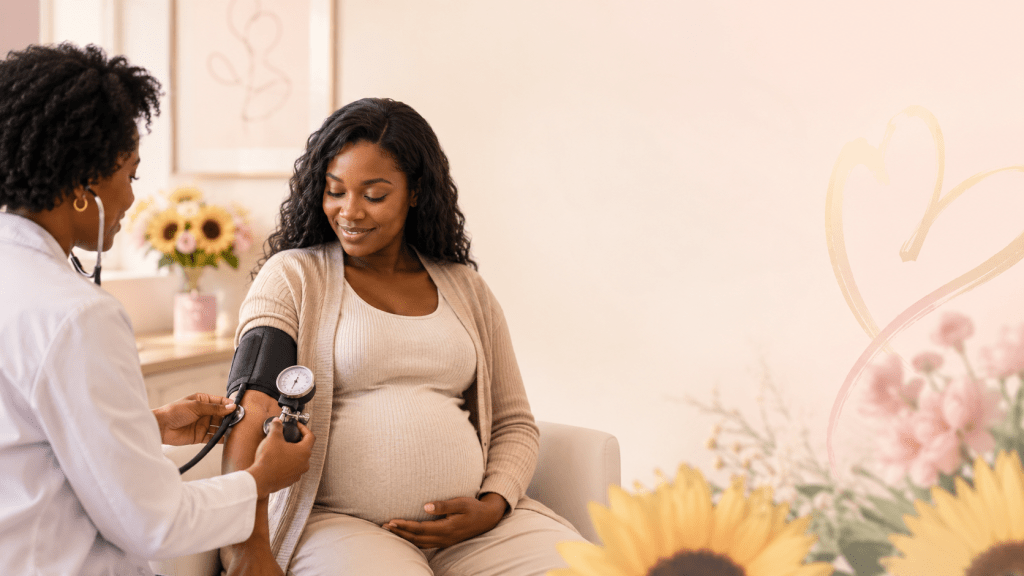
What Is Preeclampsia?
Preeclampsia is a serious pregnancy-related condition often connected to high blood pressure and signs that organs may be under stress. It can happen during pregnancy, and it can also happen after birth as postpartum preeclampsia. That means care does not stop when the baby is delivered. Your healing, your symptoms, and your follow-up care still matter.
This is why women should never feel embarrassed about speaking up. If something feels off, say something. If your symptoms feel severe, do not wait.
Warning Signs You Should Know
Preeclampsia can sometimes develop without obvious symptoms, which is why blood pressure checks and regular prenatal care are so important. But there are warning signs every pregnant and postpartum woman should know.
Watch for:
- Severe headache that does not go away
- Vision changes, blurred vision, or seeing spots
- Swelling in the face or hands
- Upper belly pain, especially on the right side
- Nausea or vomiting that feels concerning
- Shortness of breath
- Chest pain
- Decreased urination
- Sudden or rapid weight gain
- Blood pressure readings of 140/90 or higher
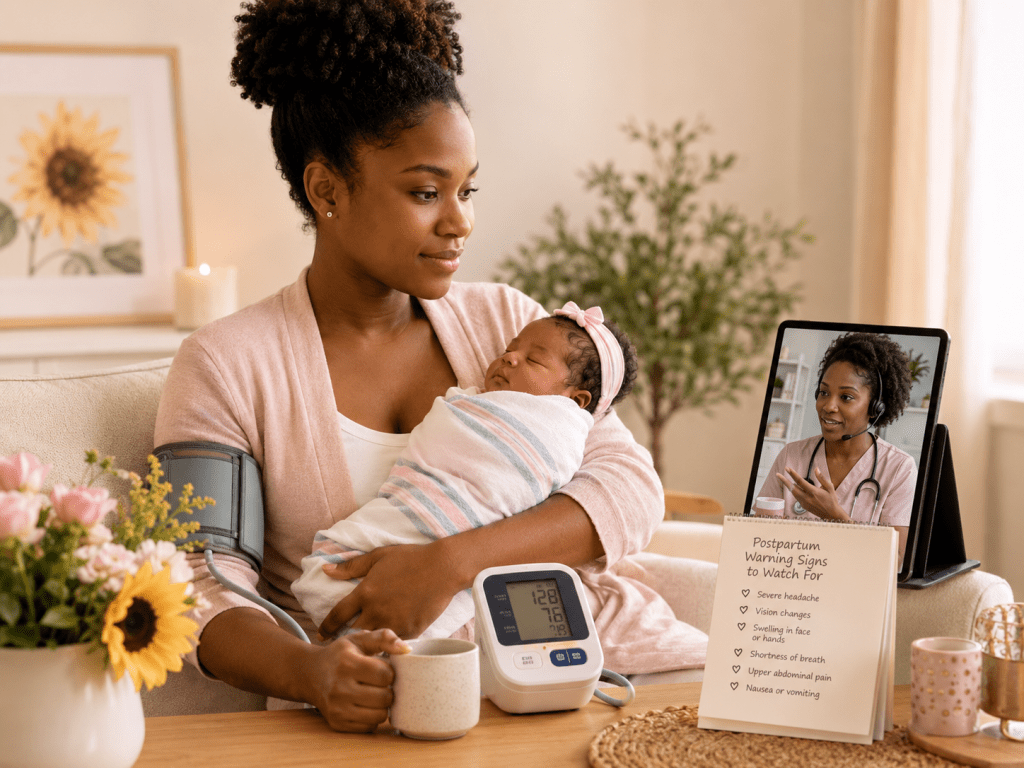
Postpartum preeclampsia symptoms can include high blood pressure, headache, vision changes, swelling, nausea, abdominal pain, shortness of breath, chest pain, and decreased urination. Anyone recently postpartum with these symptoms should seek medical care immediately.
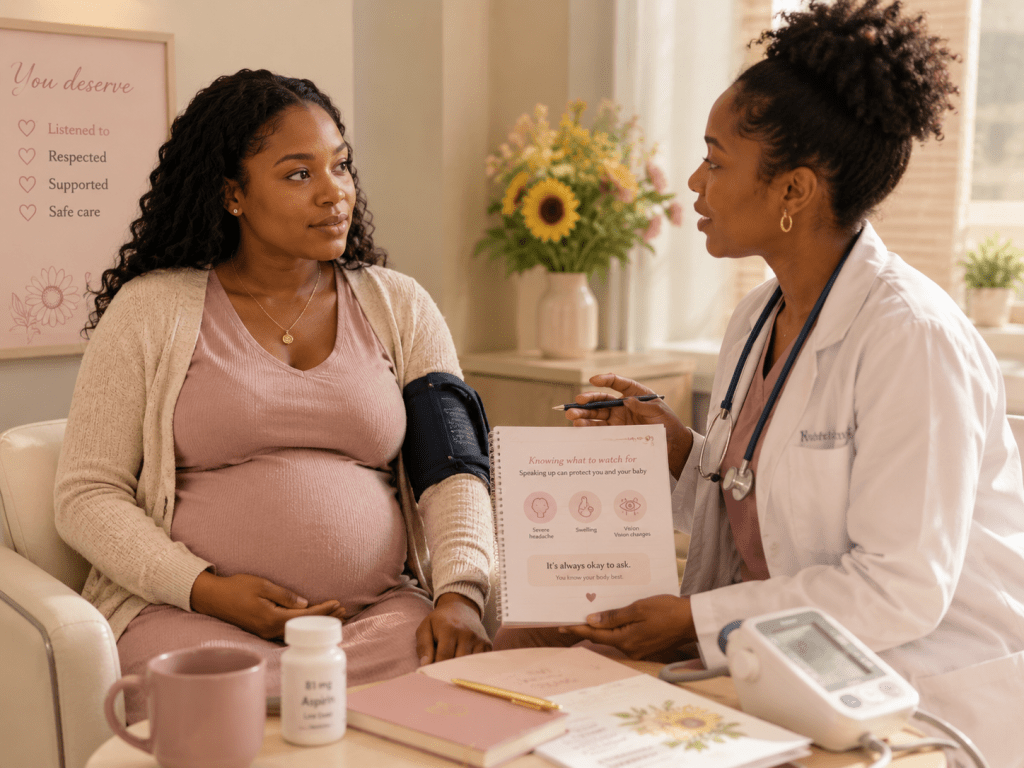
Ask About the 81mg Aspirin
One of the most important conversations a pregnant woman can have with her provider is whether she may be at risk for preeclampsia.
If you have risk factors, it is okay to ask:
“Am I at risk for preeclampsia, and should we discuss the 81mg aspirin?”
That question is not being pushy.
That question is not being difficult.
That question is being informed.
The American College of Obstetricians and Gynecologists recommends low-dose aspirin, 81mg per day, for pregnant individuals at high risk for preeclampsia. It is generally recommended to begin between 12 and 28 weeks of pregnancy, ideally before 16 weeks, when appropriate and advised by a healthcare provider.
Do not start aspirin on your own without talking with your provider. But absolutely ask the question. Your body and your baby deserve a care plan that is proactive, not reactive.
Postpartum Care Is Still Maternal Care
Too often, all the attention shifts to the baby after delivery. And yes, the baby matters. But so does the mother.
The first days and weeks after birth are a critical window. Blood pressure can become dangerous after delivery. Symptoms can develop after discharge. A mother can look “fine” and still be at risk.
That is why postpartum follow-up, blood pressure monitoring, and listening to warning signs are so important.
A healthy baby should never mean we stop checking on the mother.
Good Maternal Care Should Include Listening
Good care should feel like more than a rushed appointment. It should include:
- Clear explanations of your blood pressure numbers
- A conversation about your risk factors
- Education on warning signs
- A plan for who to call if symptoms happen
- Postpartum follow-up
- Respect when you say, “Something doesn’t feel right”
Women deserve to be listened to before their symptoms become emergencies.
A Message to Families
Families, partners, sisters, mothers, aunties, and friends you are part of the safety net.
If a pregnant or postpartum woman says she has a severe headache, vision changes, chest pain, shortness of breath, heavy swelling, or she just does not feel right, take her seriously.
Help her call the provider.
Help her check her blood pressure.
Help her get medical attention.
Do not let her suffer in silence.
Advocacy can happen in the home, in the car, at the appointment, and in the emergency room.
The Joydrop Wellness Commitment
At Joydrop Wellness, we believe preventive care saves lives. We believe education gives families power. We believe every mother deserves to know what good care looks like.
Preeclampsia awareness is not about fear. It is about preparation. It is about helping women understand their bodies, ask better questions, and get the care they deserve.
Her strength is unmatched because it’s built on generations of resilience.
But even the strongest woman still deserves safe care, respectful providers, and a system that responds when she speaks.
Call to Action
This Preeclampsia Awareness Day, I encourage every woman and family to do three things:
Ask about your risk.
Know the warning signs.
Speak up early.
And if you are pregnant or postpartum and something feels wrong, do not wait. Call your provider, go to urgent care, or seek emergency care.
Your life matters.
Your baby needs you.
Your voice deserves to be heard.
Joydrop Wellness will continue raising awareness, educating families, and advocating for better maternal care because care should not end at delivery.🌻

