By Nichelle M. Cook | Joydrop Wellness™ / The Sunflower Advocate
A mother cannot ask about a prevention option she has never heard of.
Through my maternal-health conversations, I continue to meet women who are unfamiliar with low-dose aspirin and its role in reducing preeclampsia risk. These conversations are not a national survey, but they raise an important question: Is this information reaching the mothers who could benefit from it?
Major organizations recommend it for qualifying mothers
The American College of Obstetricians and Gynecologists (ACOG), Society for Maternal-Fetal Medicine (SMFM), and U.S. Preventive Services Task Force (USPSTF) recommend low-dose aspirin for pregnant patients at increased risk of preeclampsia.
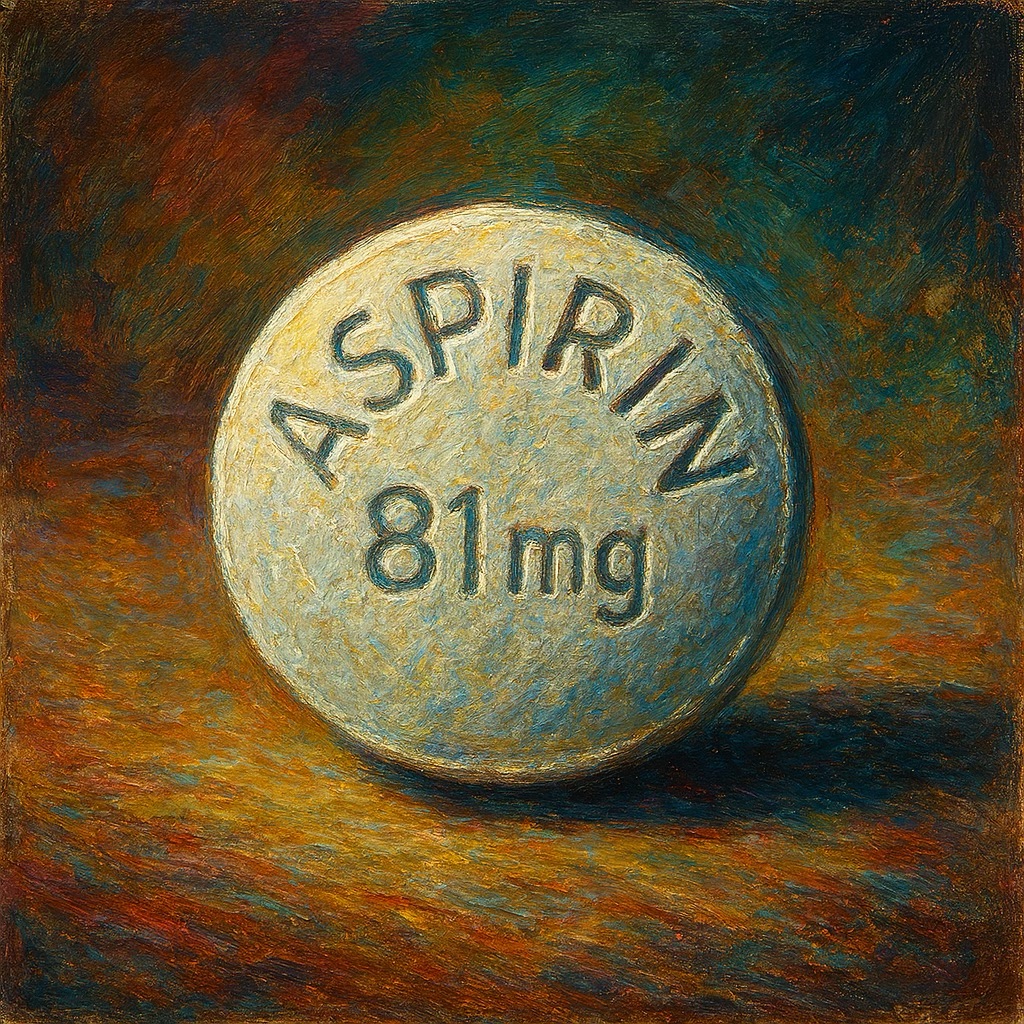
The USPSTF recommends 81 mg daily after 12 weeks of pregnancy for high-risk patients. ACOG and SMFM recommend starting between 12 and 28 weeks, ideally before 16 weeks, and continuing until delivery under the prenatal clinician’s direction. Aspirin reduces risk; it cannot prevent every case.
March of Dimes is helping spread the word
March of Dimes’ Low Dose, Big Benefits™ campaign brings attention to low-dose aspirin as a prevention option for patients at risk of preeclampsia and related preterm birth. Its resources help patients and healthcare professionals bring this discussion into prenatal care.
This is the kind of awareness effort I want Joydrop Wellness™ to help advance. I am interested in exploring collaboration with March of Dimes to bring understandable information into the places where mothers already gather and help them take informed questions back to their prenatal teams.
Who may qualify?
High-risk factors include a previous pregnancy affected by preeclampsia, chronic hypertension, kidney disease, diabetes present before pregnancy, pregnancy with twins or more, and certain autoimmune conditions.
Multiple moderate-risk factors can also make aspirin appropriate. Examples include a first pregnancy, age 35 or older, family history of preeclampsia, and prepregnancy BMI above 30. A prenatal clinician should assess the complete picture.
ACOG and SMFM also recognize risks associated with racism and lower income. Their guidance allows consideration of aspirin for either factor without another moderate-risk factor. The concern is the effect of social and structural inequities not a biological assumption about Black mothers.
A recommendation needs an explanation
From a patient-safety perspective, the work does not end with telling someone to take a tablet.
Does she understand why it was recommended? When to begin? Can she obtain it? Does she know whom to contact with questions? If her insurance or provider changes, does the prevention plan follow her?
Those are opportunities to connect awareness, access, communication, and follow-up.
At your prenatal appointment, ask:
“Have you assessed my risk for preeclampsia, and would low-dose aspirin be appropriate for me?”
Do not start aspirin on your own. Your clinician should review your medications, allergies, bleeding concerns, and other medical circumstances. Aspirin is not appropriate for everyone and does not replace prenatal care or evaluation of concerning symptoms.
For accessible education, visit March of Dimes’ low-dose aspirin resources.
It is always important to get an understanding about anything that affects your life and your health. Prevention information should reach mothers early enough to become a meaningful conversation and, when appropriate, part of their care.
Because when nothing changes, nothing changes.
Educational information from Joydrop Wellness™. Individual medication decisions belong with your licensed prenatal clinician.
