My goal is to help mothers seek support earlier, understand postpartum warning signs, and feel empowered to speak up when something is not right.
Postpartum care does not end when a mother leaves the hospital. The days, weeks, and months after delivery are still part of maternal healthcare. A mother may be home with her baby, but she may also be healing, exhausted, anxious, overwhelmed, physically unwell, emotionally disconnected, afraid, or unsure how to explain what she is feeling.
That is why postpartum support matters before a crisis happens.
In my work as an independent maternal health and patient safety consultant, my focus is not simply on whether someone is guilty or innocent. Years ago, while working in the legal field, I may have looked at cases through a different lens. Today, my work is different.
Now I ask:
Where were the warning signs?
Where were the system gaps?
Was the mother screened, heard, followed up with, and connected to care?
Did anyone recognize that something was getting worse?
What could have been done earlier to reduce the risk of harm?
Public cases involving mothers such as Erin Merdy, Lindsay Clancy, and many others force difficult conversations. Children are the victims when harm occurs, and accountability matters. But if we stop at punishment alone, we miss the larger prevention question: what happened before the tragedy, and how do we keep the pathway from being left open for the next mother, child, or family?
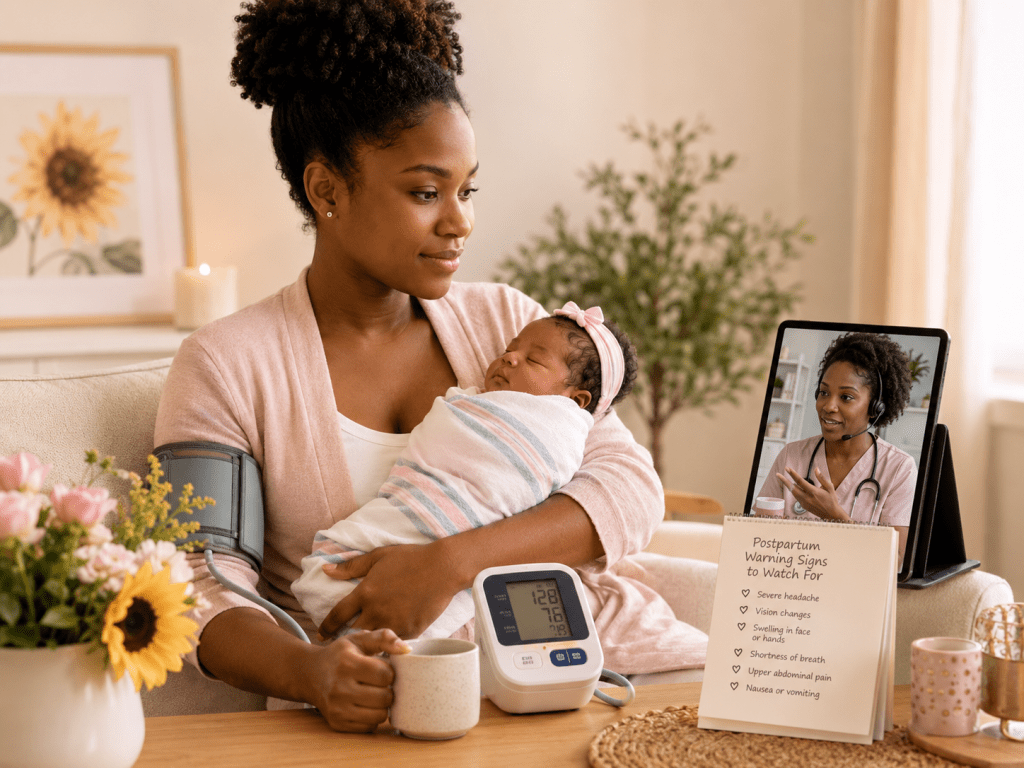
Postpartum symptoms should never be ignored. Mothers may experience depression, anxiety, panic, intrusive thoughts, confusion, insomnia, emotional numbness, fear, or a feeling that something is not right. Others may experience physical warning signs such as severe headache, high blood pressure concerns, vision changes, swelling, heavy bleeding, chest pain, shortness of breath, fever, dizziness, or severe pain.
If you are experiencing a medical emergency, thoughts of harming yourself or your baby, chest pain, trouble breathing, seizure, heavy bleeding, or you feel that you or your baby are in immediate danger, call 911 or go to the nearest emergency department.
If you are afraid to speak up, unsure what to say, worried you will be dismissed, or do not know how to ask for help, please do not sit on it. Tell your provider. Call again. Ask for a second opinion. Reach out to someone you trust. Ask for support before the situation gets worse.
Joydrop Wellness™ supports the non-clinical side of care: postpartum education, patient advocacy, warning-sign awareness, navigation, follow-up preparation, and helping mothers and families understand when and how to seek help. Healthcare providers remain responsible for clinical assessment, diagnosis, treatment, crisis intervention, and medical care.
This work is not about judgment. It is about prevention.
It is about helping mothers understand that getting help is not failure. It is about making sure postpartum warning signs are taken seriously. It is about strengthening the bridge between discharge, follow-up, mental health support, family safety, and patient advocacy.
A healthy baby still needs a supported mother.
Before the crisis. Before the headline. Before the apology. Support the mother.
For consultation, postpartum advocacy support, or assistance understanding your next steps, contact Joydrop Wellness™.
